


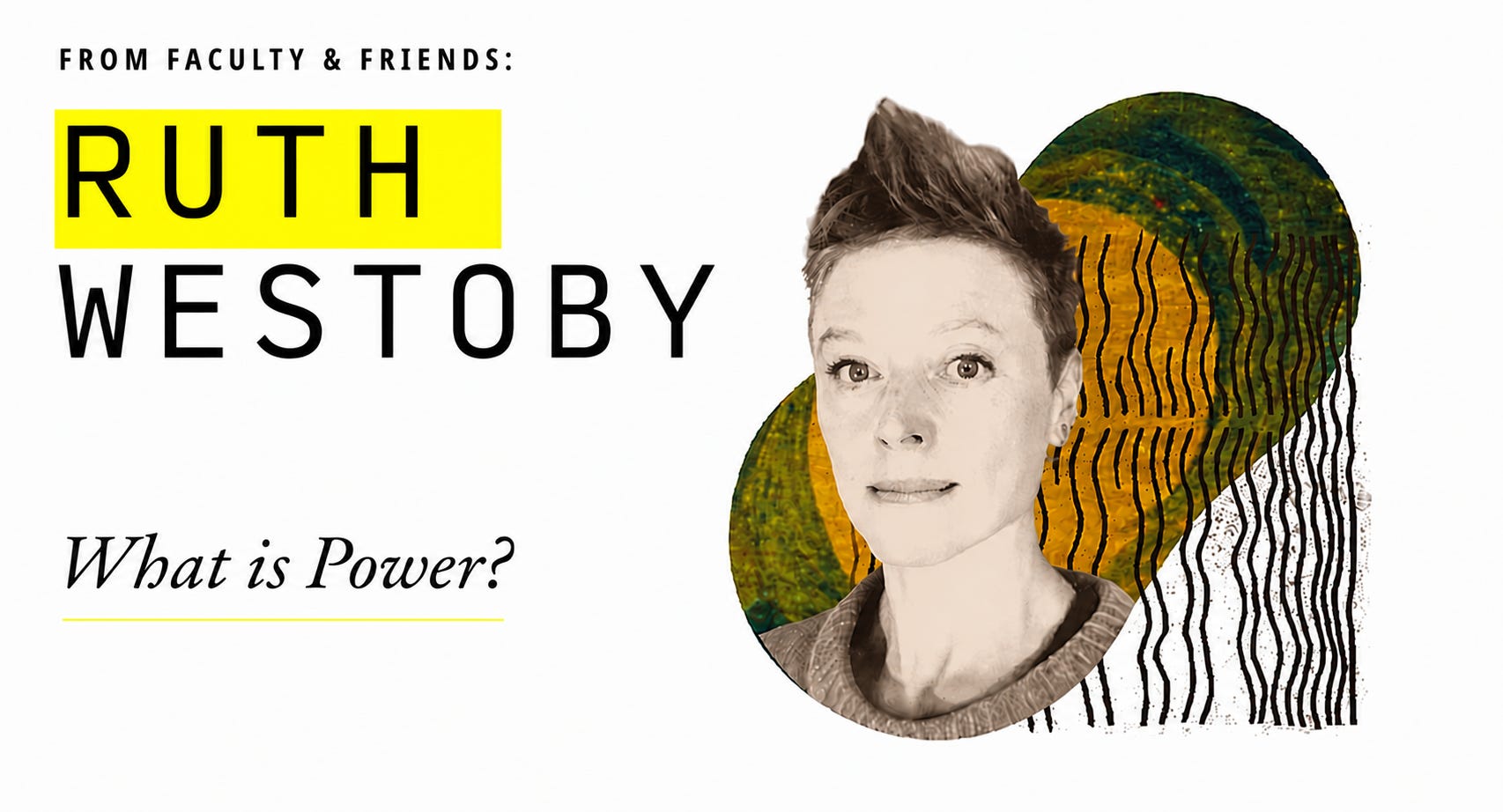
From Tarka Vol. 9: On Power
Power is enigmatic, insubstantial, elusive. As we reach for it, try to act through it, it shifts. Power is the ability to do something, to effect a change, to influence or shift or divert a course of events to produce desired outcomes. Like diverting the flow of a stream. To cause others to attend differently, listen differently, think differently, act differently.
In the first millennium historiographic epic the Mahābhārata, yoga is defined quite literally as power (yogabala) (12.289.24). Royal (rāja) yoga, though popularised by Vivekananda as meditation and associated with Patañjala Yoga (1896), in the premodern haṭha sources appears to be power over the physiological functions of one’s own body, power to attract and control other people, and power to subvert the ‘natural’ laws of saṃsāra: power over time, over creation, over life, death, becoming a god (Westoby 2024).
In the tradition that you practice, how would the concept of power be defined?
This reflection on power draws on my background as an Ashtanga practitioner and academic in yoga studies. The first three series of postures in the Ashtanga method of the Mysore palace, derived through Krishnamacharya and popularised by Pattabhi Jois, are yoga therapy (yogacikitsā), cleansing the channels (nāḍīśodhana) and power and beauty (sthirabhaga).
