

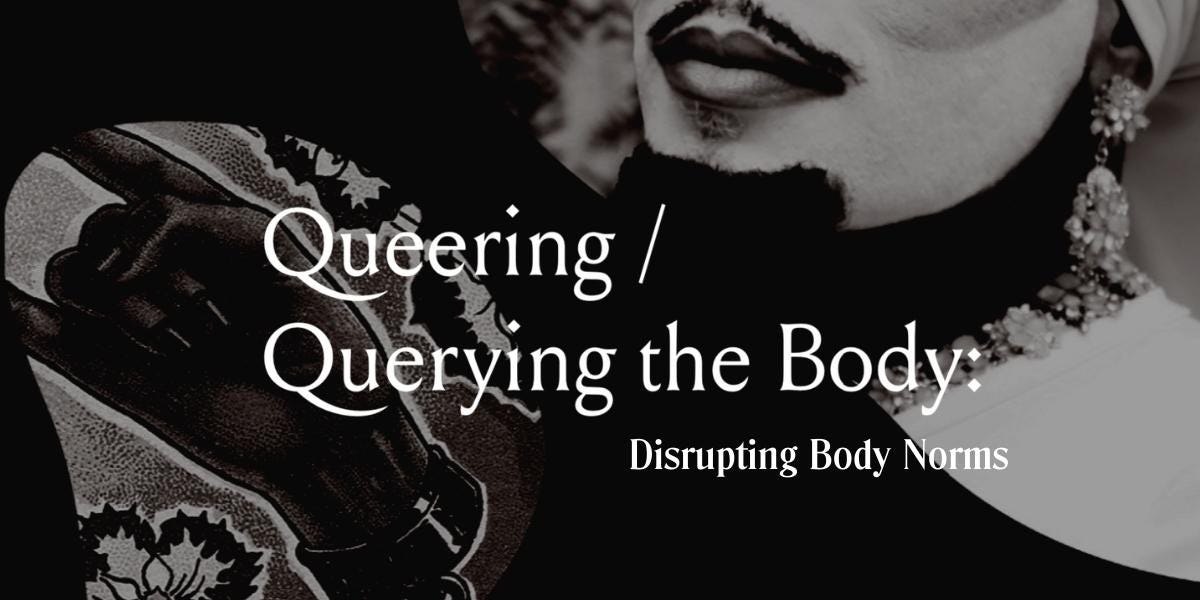
Body Norms, Body Shame, and Social Power
It has been argued that the more marginalized and subordinated a social position we occupy, the more we are identified as bodies, and the more pressure we experience to modify those bodies to mitigate our deviance from the norm. In other words, one way to enact oppression against members of a particular social group is to characterize them as bodily objects rather than intelligent and sentient subjects, and to simultaneously depict those bodies as uncivilized, crude, ugly, or distasteful. As the multibillion dollar cosmetics, plastic surgeryand weight loss industriesreadily attest, women are prime subjects of such pressures to modify their bodies, but members of other socially disempowered and vulnerable groups are hardly exempt. The elderly are routinely encouraged to retain the appearance and functioning of their youth, as evidenced by an anti-aging products and services market expected to exceed $300 billion, while the effect of widespread and entrenched colorism supports a global market for skin lightening products that is projected to reach $23 billion dollars by 2017.
Of course, the cost of having a body that is considered substandard, deviant or otherwise problematic cannot be measured in dollars alone. Body shame is a significant source of emotional and psychological distress, with consequences ranging from depression and diminished quality of life to social isolation and suicide. For example, body objectification and dissatisfaction are increasingly prevalent among youth; a cross-sectional survey of Brazilian school children found a body dissatisfaction rate as high as 82%, with young girls at particular risk. Empirical research also suggests a relatively high incidence of body shame among gay men and a community-based study found that body fat dissatisfaction predicted higher rates of psychological distress, including depression and social sensitivity. Body image concerns across other sexual minority groups encompass a wide range of issues and are inarguably salient for many within these communities. Critical disability theorists point to the pressures to modify differently-abled bodies to conform to dominant expectations of functioning and appearance, including cochlear implants for young deaf children, surgeries to lengthen limbs for people with dwarfism, and cosmetic surgery to alter the facial characteristics of people with Down syndrome. In short, almost no one is exempt from ongoing, multiple expectations to present our bodily selves in particular ways, and this is especially true for those whose bodies fall outside dominant social norms or whose social position does not afford them the privilege of refusing to conform.
